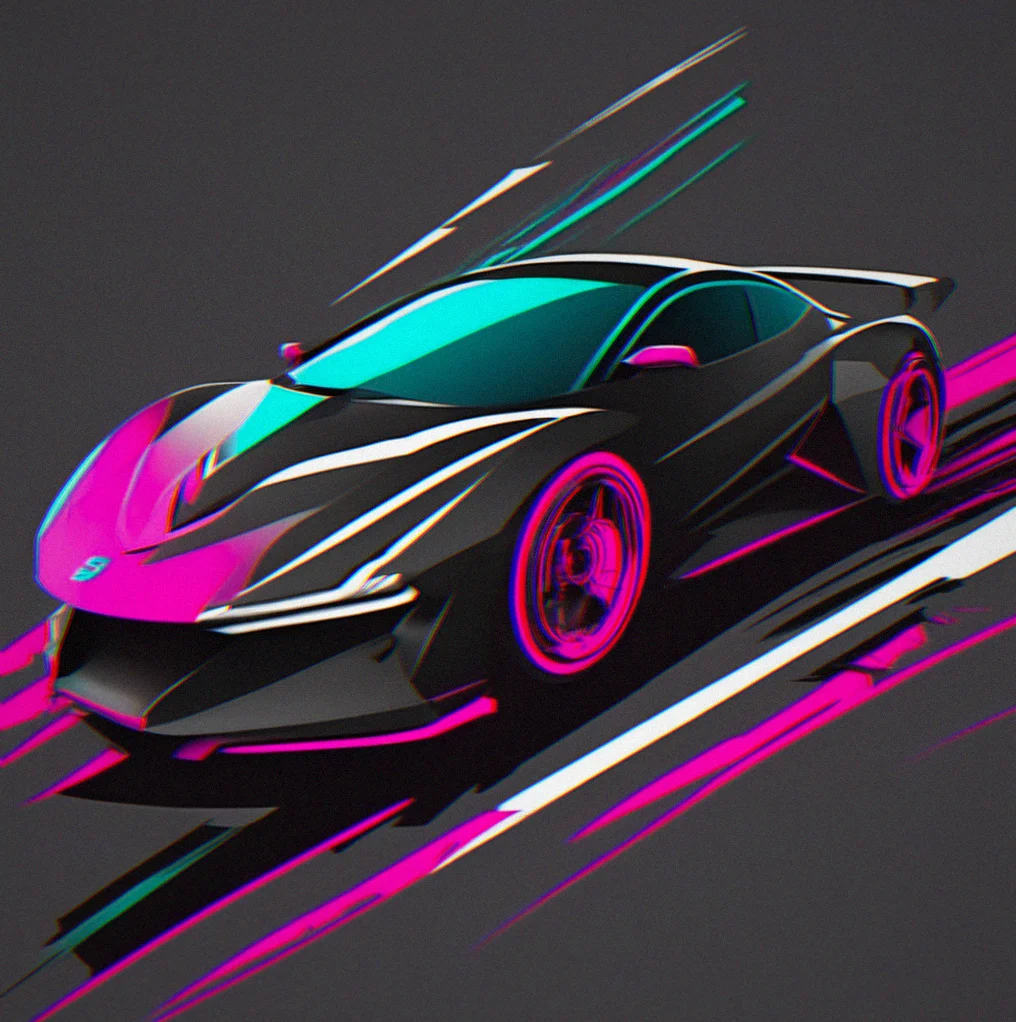
Lap times. Drifts. Upgrades.

Go for leaderboard records or just squeeze in a quick run between other stuff.
Freshorbit cuts out the excess and keeps what matters: nitro multipliers that actually reward good angles, three track types that force you to tune differently, and garage upgrades that make your car noticeably faster. Load it up, tune it, chase your time. No lengthy setup walkthroughs. No sim complexity getting in the way of what you did wrong.
What You're Racing
Street circuits where walls are basically part of the track design. Desert runs that punish mistakes hard—one slip and you're eating dust for kilometers. Neon-soaked urban courses that look like they belong in a synthwave movie. Every track plays differently depending on how you tune your car and what risks you're willing to take.

Harbor District: Walls and precision

Your drift angle directly changes the nitro boost you get

Dust Flats: It's all about momentum and fuel management
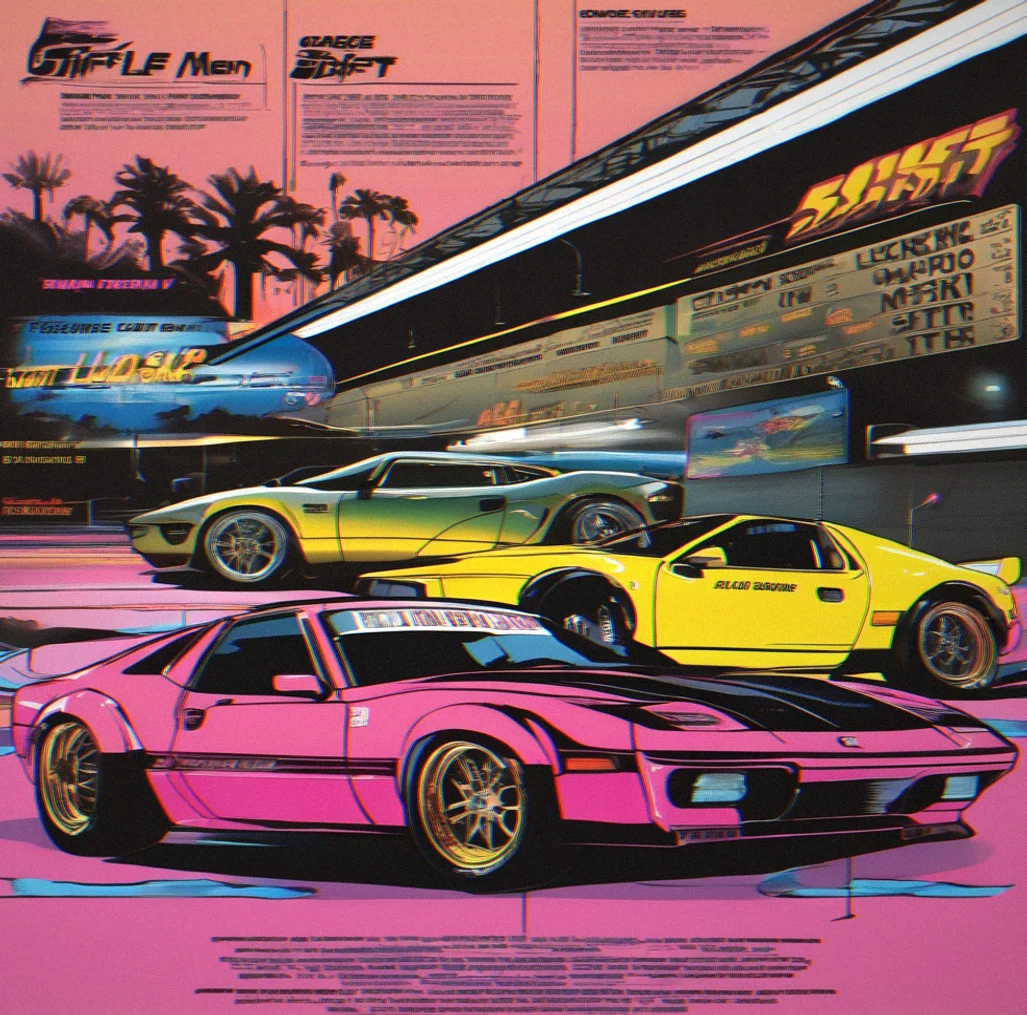
Garage progression system with real tradeoffs

Synth Loop: Mixed pace, low visibility

Real-time sector splits and ghost comparisons

Angle-Dependent Nitro Multipliers
How hard you drift determines your multiplier. Thirty-five to fifty degrees gets you 1.8x. Push it to sixty degrees or more and you're at 2.1x—though stringing them together gets tricky. Blow the apex by ten degrees and you're already losing time.

Three Track Types
Racing the same circuit over and over gets old. Harbor District punishes you hard if you brake wrong. Dust Flats is all about keeping momentum rolling. Synth Loop throws both at you. Pick the wrong suspension setup or tire compound for the track and you'll feel it immediately.

Garage Progression Without Paywalls
You earn money from finishing races. Top three spots pay out. First place pays out and gives you leaderboard points too. Upgrade your turbo, suspension, tires, differential lock—each change shifts how the car feels under you. Stock setup works fine. Spending time tuning rewards you more than spending money.

Leaderboards That Actually Matter
Sector times break down exactly where you're slower. Turn 3, the straight, the hairpin—you see it all. Faster players' ghost replays show their exact inputs so you can study their line. Every 6 weeks the season resets and everyone starts over.
How It Works
The Core Loop
You pick a track, choose your car, and dial in the setup before the race starts. Suspension stiffness is what determines how the car reacts to your steering—crank it too high and bumps kill your grip, leave it loose and you're going to roll through every corner. Turbo boost pressure changes how hard you accelerate and how quickly your nitro refills after drifts. Most people get tripped up here, but it's straightforward: tighter setup means sharper response and less room for error. You're not chasing some perfect car. You're building one that fits your driving style.
Then you go racing. Four to six minutes on track depending on the circuit. Every drift you throw gets measured by angle to the apex. Hit 35 degrees and you get a 1.8x nitro multiplier. Same multiplier at 50 degrees. Go past 60 and you jump to 2.1x, except now you're drifting harder, which makes it easier to blow the next apex. String three clean drifts together at 45 degrees and your nirto tank fills faster than you can spend it. Flub one and the chain breaks—and that hurts.
Your lap gets recorded. Good times move you up the leaderboard. Sector splits tell you exactly where time is bleeding away. Was it the braking zone before Turn 3, or did you mess up the transition into the chicane? Ghost replay captures your steering and throttle so you can overlay your line against someone who's faster. You earn currency from race payouts, buy upgrades, retune the car, and chase the next tenth. Some drivers spend 30 minutes on one personal best. Others run six races back-to-back, each one slightly different because they changed something in the setup. Either way works.
Inside Freshorbit
Five tracks. Three upgrade categories. One leaderboard. Open it in your browser and you're racing. No installs, no etxra software, no barriers.


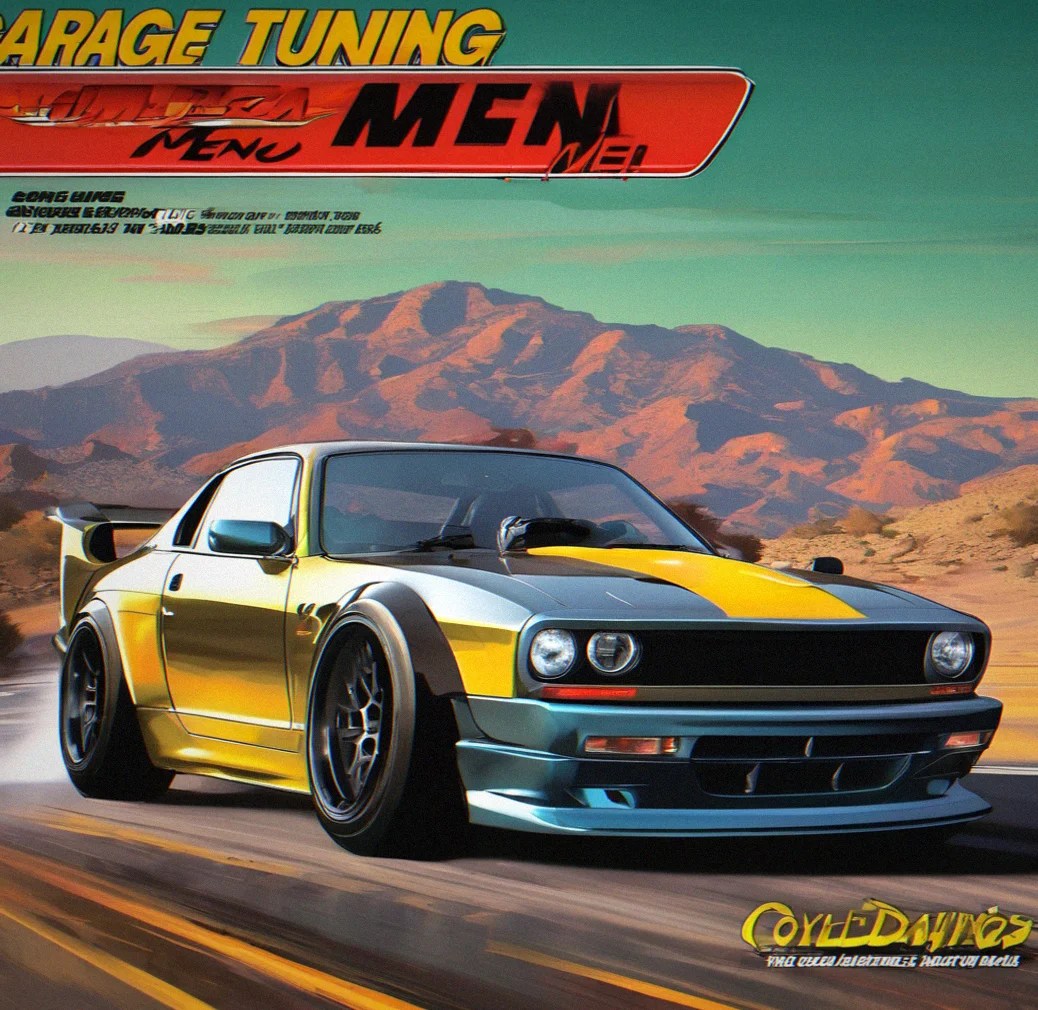


Master the Mechanics

Drift Angles: The Foundation
Your angle to the apex determines everything. Hit somewhere between 15 and 25 degrees and you're looking at a 1.1x nitro multiplier. Push it to 35–50 degrees and that jumps to 1.8x. Go aggressive at 60 degrees or more and you're at 2.1x, but here's the catch—you're also sliding much harder, which makes recovery way tougher. Precision pays off.
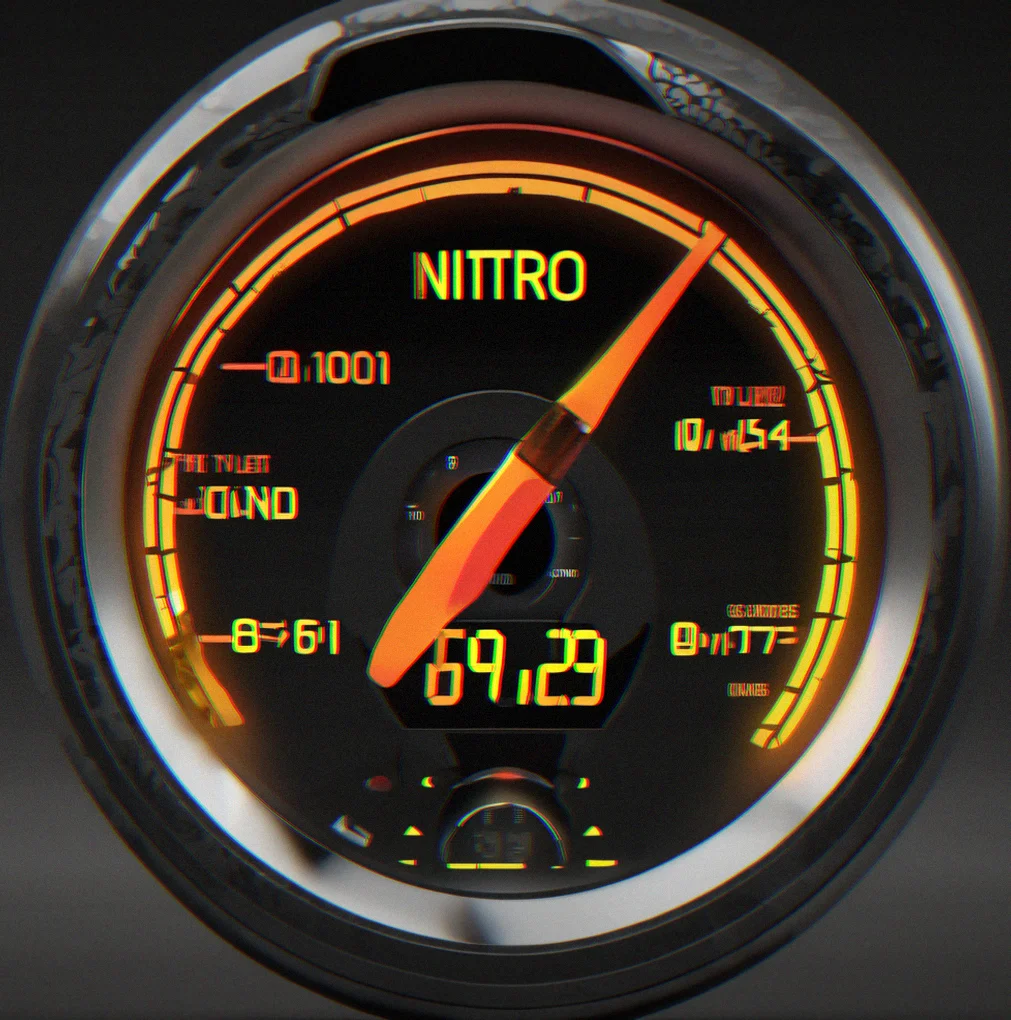
Nitro Tank Management
You build nitro through clean driving and drifts. Spend it early and you get an acceleration advantage right when you need it. Or hold it back for that final corner when it matters most. Some tracks reward you for spending early. Others punish you for wasting it. Reading the circuit is half the battle.
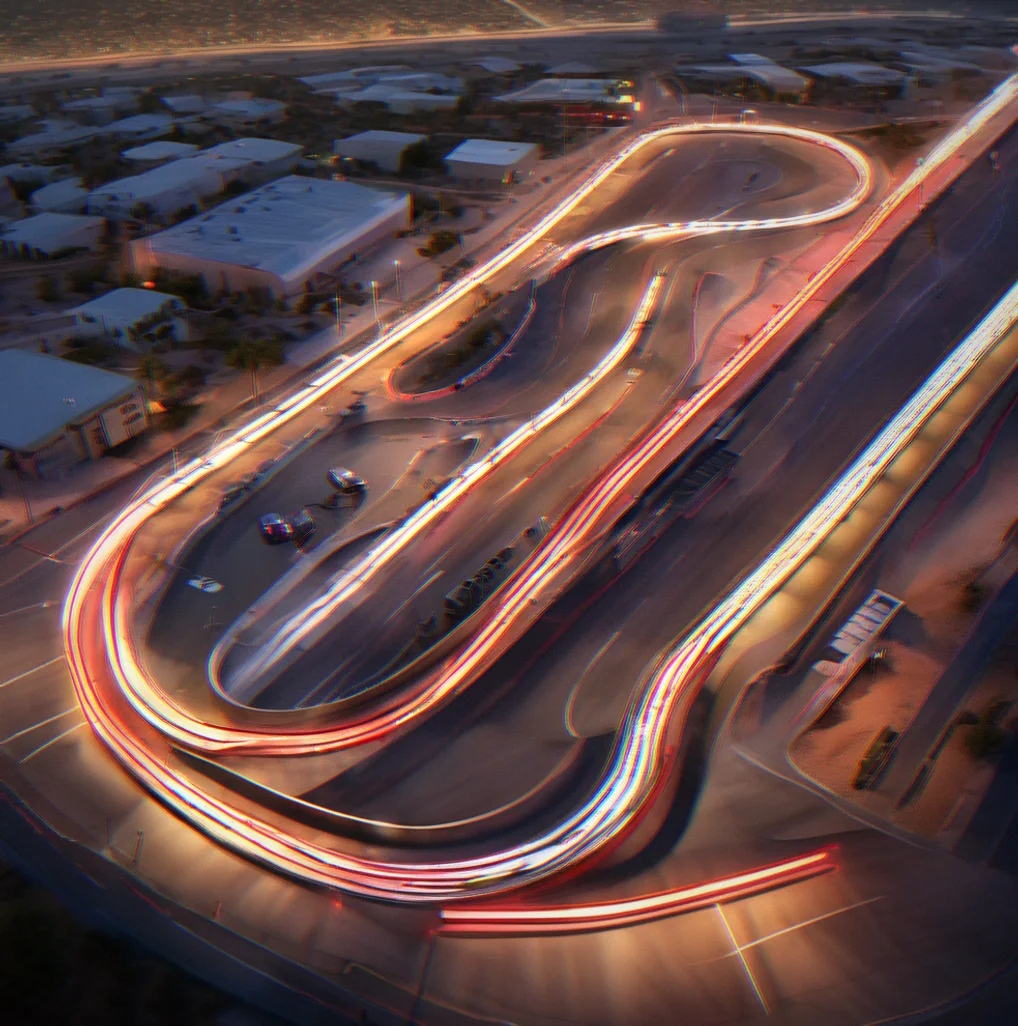
Harbor District: Precision Track
Tight 90-degree corners. Walls everywhere. One mistake costs you seconds. The turns are short so drifts reset quickly, but your braking point accuracy is what separates you from everyone else here. Get this track dialed and you've basically nailed the fundamentals.

Dust Flats: Momentum Run
Long straights. Wide corners. One mistake and you're eating dust for what feels like forever. String your drifts together smoothly and they chain. Miss once though and the whole rhythm falls apart. Setup becomes critical here—stiff suspension loses grip when you hit bumps, while soft setup rolls through corners but doesn't hold a line.

Synth Loop: Mixed Pace Challenge
Hairpins. Straights. Low visibility. Finding the apex is everything when you can't see clearly. Your tuning needs to handle both tight corners and fast sections without falling apart. You're chasing balance here, not max grip. No single setup wins.
Suspension Tuning Basics
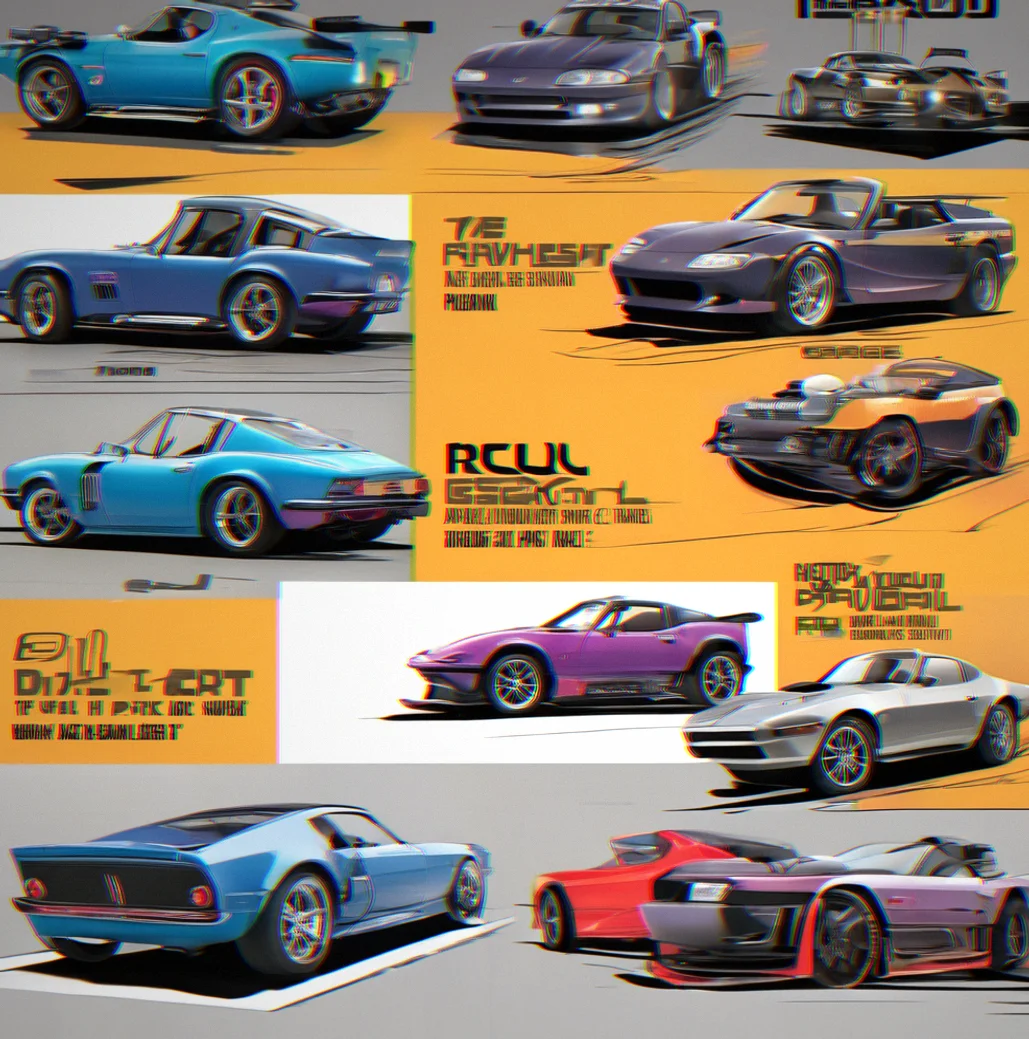
Spring stiffness affects how your car responds when you turn in. Too stiff and you lose grip when you hit bumps. Too soft and you're rolling through corners instead of holding them. Differential lock controls power delivery to the outside wheel during a drift. Lock it down and it's predictable. Leave it open and you get more adjustment mid-slide.
Engine & Power Upgrades
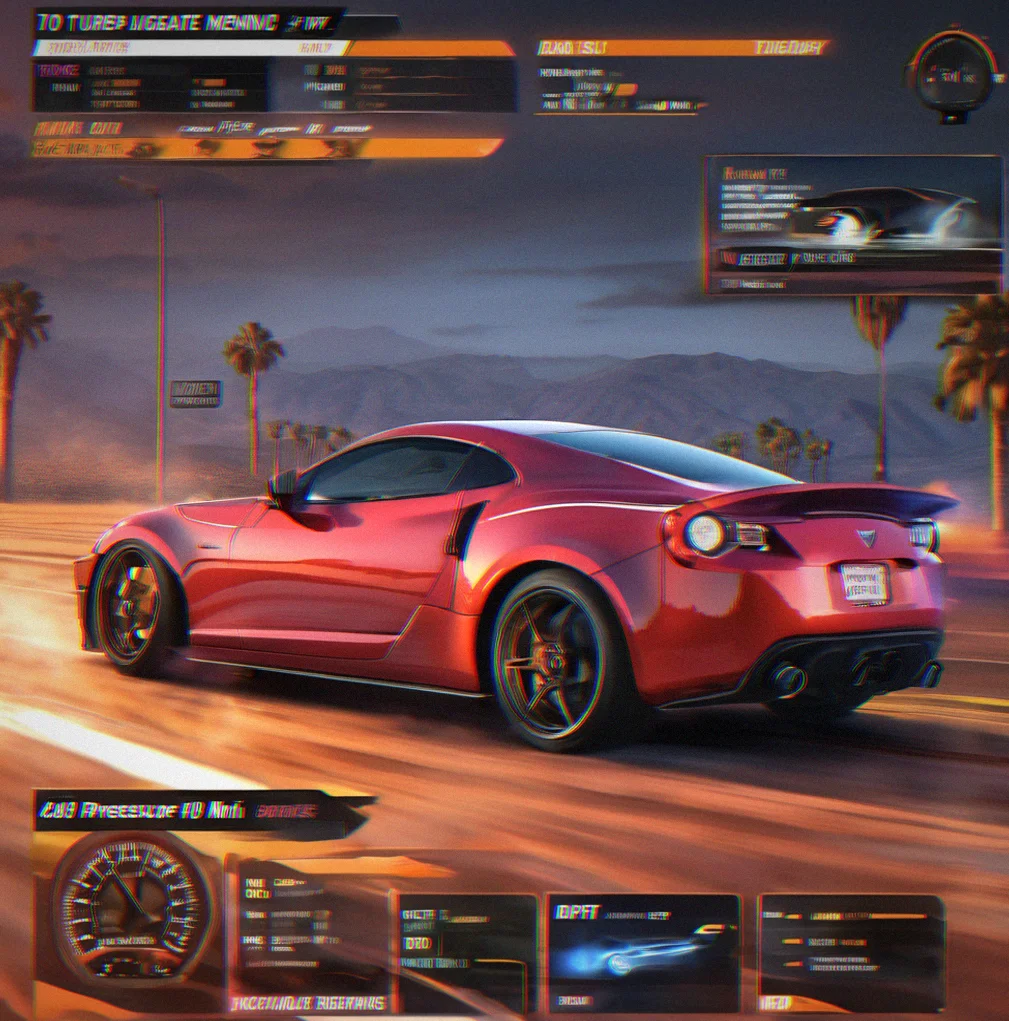
Turbo boost pressure changes how hard you accelerate and how fast your nitro refills. Pair it with intake flow and you squeeze out minor gains. Exhaust tuning shifts how your throttle feels. Five upgrades to play with. Infinite combinations to discover. Stock cars work fine. Tuned cars reward the grind.

Tire Compound Selection
Softer tires grip better but wear out faster. Harder compounds last longer but don't stick as well on low-speed corners. Tire pressure adjusts lateral grip and how stable the car feels through direction changes. One choice ripples through your entire lap. Get it wrong and you're slow from turn one.

Sector Analysis & Ghost Data
Your lap breaks down into sectors so you can pinpoint exactly where you're losing time. Ghost replay saves your steering and throttle input so you can see how faster players take their lines. Study it. Adjust something. Try again. Whether that takes 5 minutes or 50 is up to you.

Seasonal Resets & Competition
Leaderboards reset every 6 weeks. Your best times become "previous season" records—bragging rights and nothing else. Everyone starts fresh when a new season drops. Weekly challenges rotate tracks and mix up the rules. Top finishers get currency bonuses and cosmetics.
Common Concerns
New to Freshorbit? Here's what people actually ask before jumping in.
Arcade that borrows from sims. Drift physics work the way they should—nitro multipliers shift with your angle, differentials behave realistically—but cars don't break and tires never heat up. You're grinding for betted lap times, not babying your setup through degradation.
Not really. A stock car can crack the top ten if you know how to drive it. Upgrades make things faster, but the driver matters way more than the parts. A tuned car piloted badly gets walked by someone clean in a stock ride. You're rewarded for time spent, not money spent.
Between four and six minutes depending on where you are. Harbor District is tight and quick. Dust Flats eats up time. Most people run a bunch back-to-back—knock out five races in half an hour or spend an hour on one track hunting for tenths.
Yeah, you can build something that doesn't work for that track. Suspension too stiff on Dust Flats? You lose grip. Too loose on Harbor District? The car rolls. But you can refund any upgrade instantly and swap setups in seconds, so messing around doesn't cost anything.
Just leaderboards. You race against ghost data and compare your sector times. That's useful because you can see exactly where faster players are pulling ahead. No live lobbies, no lag, no waiting around for the matchmaker to do its thing.